
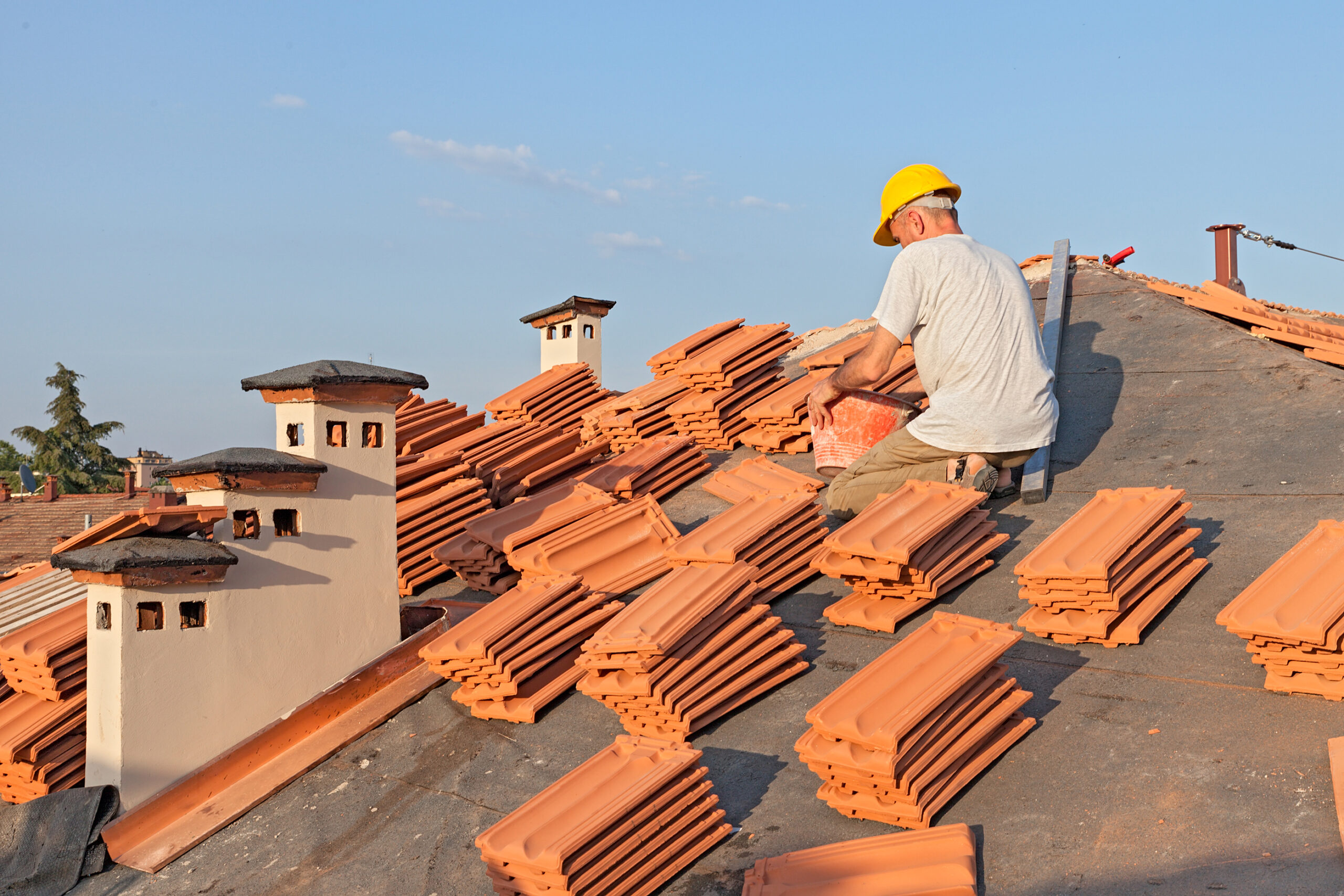
If your roof is starting to show signs of wear, the first question that usually comes up is simple. Do you need to replace it, or can it be restored?
For many homeowners, roof replacement feels like the default answer. It sounds like the more permanent solution. But in reality, that is not always necessary. In the right situation, roof restoration can extend the life of your existing roof, improve its performance, and save you a significant amount of money.
The key is knowing when restoration makes sense and when replacement is the better long-term move.
What Roof Restoration Actually Means
Roof restoration is not just a quick patch job. It is a process that focuses on repairing, sealing, and reinforcing your existing roof system rather than tearing it off completely.
Instead of starting from scratch, restoration addresses problem areas, improves protection, and extends the roof’s lifespan.
In many cases, this includes cleaning the surface, repairing damaged sections, and applying protective coatings that help the roof resist weather, UV exposure, and moisture.
It is a practical option when the roof structure is still in good shape but shows signs of surface-level wear.
When Restoration Makes the Most Sense
Restoration is not the right choice for every roof, but it can be a smart move in the right conditions.
It typically makes sense when the roof is still structurally sound, and the issues are limited rather than widespread. Minor leaks, aging materials, or cosmetic wear are often good candidates for restoration instead of full replacement.
It is also a strong option if your roof still has useful life left. If the system is not near the end of its lifespan, restoration can help you get more years out of it without the cost of a full replacement.
In practical terms, restoration works best when you are trying to extend performance rather than rebuild from the ground up.
Cost Is Often a Major Factor
One of the biggest reasons homeowners choose restoration is cost.
A full roof replacement is a significant investment. It involves removing the existing roof, replacing materials, and installing a completely new system. Restoration, on the other hand, focuses on improving what is already there.
That difference in scope makes restoration more affordable upfront. It allows you to address issues and improve protection without taking on the full cost of replacement.
For many homeowners, that balance between cost and performance is exactly what they are looking for.
Less Disruption to Your Home
Another advantage of restoration is how much less disruptive it is.
Roof replacement can take time and often involves noise, debris, and a more involved construction process. Restoration is typically faster and less invasive.
Because the existing structure remains in place, the process is more efficient. That means less downtime and less impact on your day-to-day routine.
For homeowners who want a solution without a major project, this can be a deciding factor.
When Restoration Is Not Enough
There are situations where restoration simply is not the right choice.
If your roof has widespread damage, multiple leaks, or structural issues, restoration may only provide a temporary fix. Large-scale problems often indicate deeper issues that require a full replacement.
Age also plays a role. If your roof is nearing the end of its expected lifespan, investing in restoration may not make sense. At that point, replacement often becomes the more cost-effective long-term decision.
The goal is not just to fix the immediate problem. It is to make a decision that stands the test of time.
How to Tell Which Direction to Go
The decision between restoration and replacement usually comes down to three main factors: age, condition, and cost.
If the roof is relatively newer, has isolated issues, and repair costs are reasonable, restoration is often the better option. If the roof is older, has widespread damage, or requires frequent repairs, replacement may be the smarter investment.
There is also a financial rule of thumb that many contractors use. If repairs or restoration start approaching a significant percentage of the cost of a full replacement, it may be time to consider replacing instead.
Every roof is different, which is why a professional inspection is so important.
The Long-Term Value of Restoration
Restoration is not just about saving money in the short term. It can also be part of a long-term strategy.
By extending your roof’s lifespan, you can delay the need for a full replacement and plan for it on your own timeline. That flexibility can be valuable, especially if you are managing other home improvements at the same time.
It also helps maintain your home’s appearance and performance without committing to a full rebuild right away.
The Bottom Line
Roof restoration is a smart option when your roof still has life left in it, and the issues are manageable. It allows you to improve performance, extend durability, and avoid the higher cost of replacement.
But it is not a one-size-fits-all solution. If the damage is extensive or the roof is nearing the end of its lifespan, replacement is often the better long-term choice.
The key is understanding your roof’s condition and deciding what will hold up best over time.
If you are not sure whether your roof needs restoration or a full replacement, LJ Roofing & Siding can help you make the right call. Our team will assess your roof, clearly explain your options, and recommend the solution that makes the most sense for your home. Reach out today to schedule your inspection and get started.