
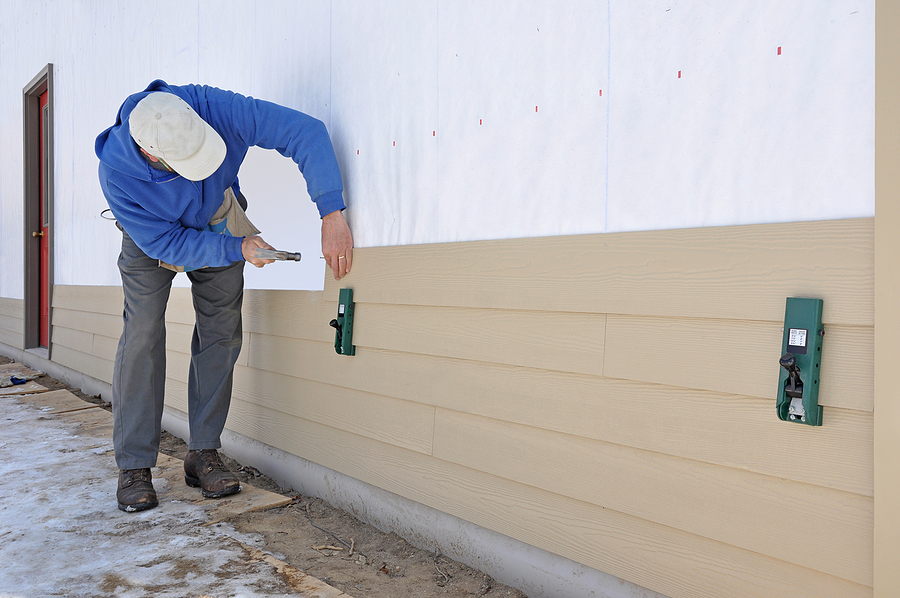
When replacing siding on your home, two of the first options you will likely encounter are vinyl siding and fiber cement siding. Deciding which material is best for your home is one of the biggest decisions you’ll make as a homeowner. Neither option is inherently better than the other.
Vinyl siding is typically more budget-friendly, lower maintenance and offers great value. Fiber cement siding is unparalleled in durability, fire resistance and has the look of real wood. Your budget, climate, maintenance plans and long-term goals should all be considered when choosing between vinyl and fiber cement siding.
Vinyl siding and fiber cement siding can both increase curb appeal, keep your home protected from Mother Nature and add value to your home when it’s time to sell. Read on to learn more about the differences between vinyl and fiber cement siding and decide which option is the best investment for your home.
What Is Vinyl Siding?
Vinyl siding is an exterior cladding material made from polyvinyl chloride. Popular in the U.S. for its low cost, easy maintenance and variety of colors and styles, vinyl siding is manufactured from durable materials designed to give your home style and protection.
While early vinyl siding was somewhat limited in terms of durability and appearance, newer generations of vinyl siding are much more advanced. Modern vinyl siding is manufactured to resist fading, moisture and everyday wear and tear, while giving you the beautiful home exterior you deserve with minimal upkeep.
What Is Fiber Cement Siding?
Fiber cement siding is made from a mixture of cement, sand, cellulose fibers and other materials. It is known for its durability and ability to mimic the look of painted wood, cedar shakes and other premium exterior siding materials.
Homeowners enjoy installing fiber cement siding because it lasts for decades. Fiber cement is able to stand up to harsh weather conditions much better than many other siding materials.
Which Siding Is Cheaper?
When it comes to upfront cost, vinyl siding is typically the more budget-friendly option for most homeowners.
Vinyl siding is not only cheaper to purchase, but it’s typically cheaper to have installed as well. Since vinyl siding is lightweight and easy to work with, installation generally requires less labor. If you’re looking to increase your home’s value while sticking to a strict budget, vinyl siding might be the right choice for you.
Fiber cement siding is usually pricier than vinyl siding due to material costs and installation. However, many homeowners find that durability and appearance are worth the extra expense.
Do Vinyl or Cement Fiber Siding Last Longer?
With proper installation and maintenance, you can expect both vinyl siding and fiber cement siding to last for decades.
Known for its exceptional durability, fiber cement siding resists rot, insects, moisture and other forms of damage your home may come across. As long as it’s taken care of, fiber cement siding should last as long as you own your home.
Vinyl siding is also extremely durable, but it may be more prone to cracking after a severe impact. It can also be damaged by extreme weather conditions. Either way, proper installation and yearly inspections will ensure you get the longest lifespan out of your siding material.
Which Low Maintenance: Vinyl or Fiber Cement Siding?
Vinyl siding is by far the more low-maintenance option of the two.
Vinyl siding never needs to be scraped, stained or painted like wood siding. In fact, most vinyl siding maintenance can be done by simply rinsing your home with a garden hose. Remove dirt, debris and mildew by washing your vinyl siding a couple of times per year.
Fiber cement siding isn’t as low-maintenance as vinyl siding since it usually has to be painted. Over time, you may need to touch up the paint to keep your home looking its best. While painting your home’s exterior isn’t extremely difficult, fiber cement siding requires more
maintenance than vinyl siding. That being said, it’s still much lower maintenance than traditional wood siding.
Which Siding Material Is Better During Severe Weather?
When installed properly by professional contractors, both siding materials can handle strong weather.
Vinyl siding can handle a bit of rain, humidity and everyday wear and tear. Additionally, high-quality vinyl siding can stand up to strong winds if it’s installed correctly.
Due to its strength, fiber cement siding is ideal for harsh weather conditions. Fiber cement can handle high moisture levels, temperature changes and prolonged exposure to sunlight. Plus, it expands and contracts less than most siding materials.
So, which is better? That will depend on where you live. If you don’t typically see drastic changes in weather or severe storms, vinyl siding might be the right choice. But if your area is prone to harsh conditions, you might want to consider fiber cement siding.
Which Material Is Fireproof?
It doesn’t take long to figure out which siding material is more fire-resistant – fibre cement siding.
Fiber cement siding contains cement and sand. This makes it noncombustible, meaning it will not add any fuel to a fire.
Vinyl siding is made from plastic, which can melt when exposed to large fires. However, vinyl siding is made to meet building code requirements.
If you live in an area with high wildfire risks, you might want to consider fiber cement siding.
Which Looks More Like Real Wood? Vinyl or Fiber Cement Siding?
If you want your home siding to look like real wood, your best bet is fiber cement siding.
While it’s impossible to tell the difference between some brands of fiber cement siding and real wood, vinyl siding doesn’t have quite the same realism. Fiber cement siding can mimic the texture and colors of real wood while giving you the low-maintenance benefits of fiber cement.
Of course, vinyl siding has come a long way. Today, vinyl siding is available in a wide variety of profiles, textures and colors. While some of the higher-end vinyl siding can resemble wood, fiber cement siding still wins in this category.
Which Siding Is More Energy Efficient?
It’s important to note that the siding material alone does not make your home more or less energy efficient. Instead, energy efficiency depends on how well your home is insulated, air sealed and installed.
However, there are certain aspects of vinyl and fiber cement siding that can help with energy efficiency. Vinyl siding that’s manufactured with insulation can provide an additional layer of insulation to your home. This added layer can reduce heat transfer and help keep your family comfortable.
While fiber cement doesn’t provide any insulation on its own, it can be installed over insulated wall systems to maximize energy efficiency.
If you want to improve your home’s energy efficiency, we recommend speaking with a professional contractor. They can help you air seal your home and give you expert installation that will help your siding last.
Which Offers More Color Options: Vinyl Or Fiber Cement Siding?
When it comes to color options, both vinyl siding and fiber cement siding offer numerous options.
Vinyl siding is typically manufactured in a variety of factory colors. This means you won’t have to paint your siding after installation. What’s more, since the color goes all the way through the vinyl siding, minor scratches are typically less noticeable.
Like vinyl siding, fiber cement siding is offered in many different colors. Not only can you typically buy fiber cement siding that is already finished, but it can also be painted to your desired color. So if you’re going with fiber cement siding and decide you want a new color, all you have to do is paint it. Just make sure you use high-quality exterior paint!
Which Adds More Value to Your Home?
Regardless of which siding material you choose, you can expect to add value to your home.
Many home buyers are attracted to vinyl siding because of its low maintenance and affordability. If you’re on a budget, you can buy quality vinyl siding that won’t break the bank.
On the other hand, many home buyers see fiber cement siding as a premium material. Not only does it offer superior durability, but it also looks great. Depending on your local housing market, installing fiber cement siding could influence how potential buyers view your home.
As you can see, both siding options can add value to your home. However, like most aspects of your home, proper installation plays a big role. Even the highest-quality siding will look poorly installed, which can decrease your home’s value.
How Do You Decide Between Vinyl Or Fiber Cement Siding?
So how do you know which siding is right for you? If you’re looking for a siding that’s budget-friendly and low maintenance, go with vinyl siding. It offers exceptional value and looks great on most homes.
If you’d rather spend a little more money to get an ultra-durable siding with the look of real wood, fiber cement siding might be right for you. But like we said before, don’t hesitate to speak with a professional siding contractor. They can look at your home’s exterior and help you choose a siding that matches both your budget and lifestyle.
Vinyl Siding or Fiber Cement Siding: Which Is Right For You?
So which is better: vinyl siding or fiber cement siding? Unfortunately, there is no clear answer. Each material has its pros and cons, which is why they’re both so popular. When deciding between vinyl and fiber cement siding, you should look at your budget, climate and how much maintenance you’re willing to do.
At LJ Roofing & Siding, we understand that choosing between vinyl siding and fiber cement siding can be difficult. Not only do we offer professional installation for both materials, but we can help you choose which siding works best for your home.
Contact LJ Roofing & Siding today to schedule your free consultation. We’ll examine your home’s exterior and let you know if vinyl siding or fiber cement siding is the right choice for your home.