
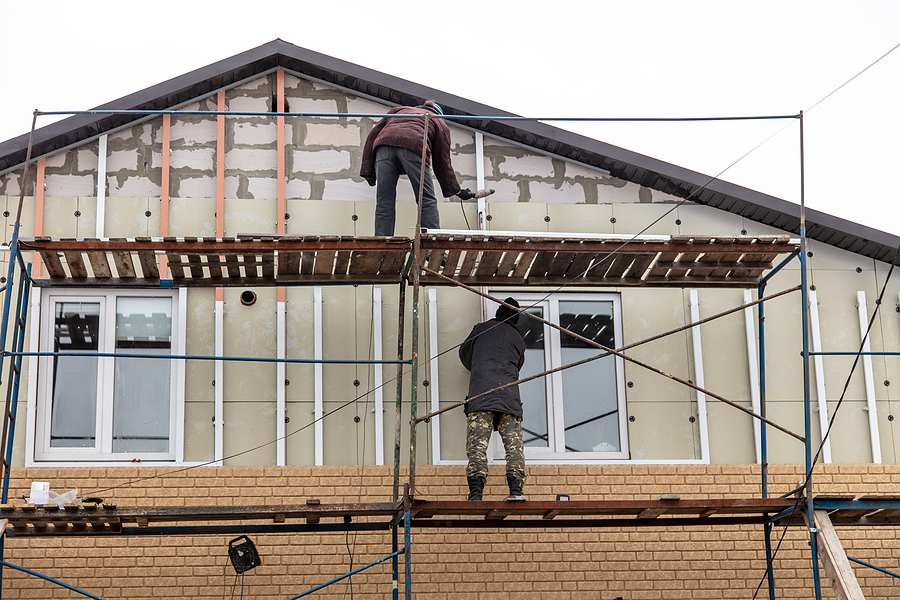
Think of siding as more than just the visible surface that determines how your house looks from the street. It works with flashing, trim, housewrap, and other wall components to keep water from soaking in and instead shed off the house. Decay or deterioration often starts at the edges or corners, but ignoring siding issues can allow them to progress into wall sheathing and framing.
Does Cracked or Broken Siding Need to Be Replaced?
Cracked siding lets wind-driven rain, insects, and debris reach the siding material beneath. Peeling paint can be a problem for siding that is painted or meant to be painted. Damage that is limited to a few boards may be repairable.
Check whether cracking is happening across several walls or pieces. Localized deterioration could be an aging issue, while cracking across most of the siding often means it should be replaced.
Warped boards may result from moisture exposure or improper installation. Vinyl siding expands and contracts with changing temperatures. Wood siding or products can absorb and release moisture as humidity changes.
James Hardie lists damaged siding among problems that may require siding replacement. Cracked, warped, loose, missing or soft materials can create openings for moisture and insects to damage housewrap, sheathing, and structural components.
What Does Warped or Buckled Siding Mean?
Localized siding issues can often be repaired. When siding panels buckle or curve, clear across several walls, decay may have progressed beyond one or two boards. Causes of buckling include:
Trapped heat can cause siding to warp. Vinyl siding that is installed too tightly can buckle because it can’t move with changing temperatures. Painting vinyl siding with non-approved paint can contribute to warping because dark colors absorb more heat.
Soft wood or engineered wood siding may have been repeatedly exposed to moisture. Peeling paint can also cause swelling.
Are Loose or Missing Panels a Serious Problem?
Missing or loose siding exposes wall framing to water, wind, and pests. Once areas start to pull away, wind pressure can loosen more siding panels.
Rain, snow, coastal winds, and temperature changes are expected for Southern Maine homes. LJ & Company installs siding systems that include barriers against moisture and air infiltration. Weather-resistant barriers, flashing, trim components, and correct clearances are all important parts of siding performance.
A contractor can assess why siding became loose. Causes include previous storm damage, failed nails or fasteners, old material deteriorating, improper installation, or roof, window, or deck damage.
Does Faded Siding Need Immediate Replacement?
UV rays can break down siding materials over time. Faded siding doesn’t always need replacement, but check for other signs of aging. Sun damage can make vinyl siding brittle. Look for uneven fading, chalky residue, cracking, or bent siding.
You might be able to purchase the original color when ordering replacement sections, but faded areas will still look different. Painting vinyl siding is possible, but faded areas will likely still be noticeable.
Paint may be an option for wood siding, but homeowners should check that their siding is still sound before repainting. Repair loose or damaged siding before painting. Painting will not fix leaking windows, rotten trim, or sheathing softened by water damage.
What Do Bubbles or Blisters in Siding Indicate?
Paint blistering indicates sun exposure or moisture inside the siding. Vinyl siding bubbles or blisters can happen when it absorbs too much heat. Engineered wood panels can blister when moisture reaches the unprotected edges.
They can point to problems including heat exposure, moisture or humidity, coating failure, and deterioration of the underlying siding material.
When determining whether you need new siding, bubbles and blistering can be important clues. Certain kinds of blistering on one side of the house may mean insects are moving into the siding from the other side. Appearance across most of the siding often indicates it needs replacement.
Can Interior Wall Damage Point to Siding Failure?
Damage inside your house can indicate a problem with exterior walls. Another trouble spot is where siding meets windows and doors. Many homeowners wait until paint starts peeling to realize moisture is entering the walls.
Check ceilings and walls near windows and doors for water spots or stains. Damage may also occur inside of closets that share exterior walls with the home. Other potential sources include leaky roofs, windows, doors, plumbing issues, and high indoor humidity.
Water can damage the siding itself as it works its way through or around it. The siding job may have been performed incorrectly. For more information on siding as part of the exterior wall, read How Does Siding Attach to the House?
If you start to notice peeling paint, damp spots, or odors inside of your house, look for causes other than siding first. Then, have siding and flashing inspected.
What Do Soft Spots or Rot Behind Siding Mean?
Soft spots on exterior walls mean moisture has damaged wall components. Spotting rot on siding often means there is rot somewhere else. If moisture has made it through siding, where did it enter? Likely places to check include:
Roofs, windows, doors, and decks can all contribute to siding damage. Gutters that need repair can also cause siding problems. Depending on where you find damage, rot can also be present inside walls.
Water spots on walls can indicate leaks in the roof, gutters, or flashing. Paint alone will not fix underlying problems.
LJ & Company’s siding replacement process includes removing old siding to check walls for soft spots. Replacing siding also involves installing a weather barrier, flashing, trim boards, and new siding.
Are Frequent Repairs a Sign That Replacement Makes More Sense?
Repeatedly fixing nail pops, loose boards, or cracked siding can become costly. If several areas of siding are damaged, problems keep recurring, or the siding is old, and every repair leads to another section that needs work, it may be time to replace it.
An old siding job that has been maintained may not need to be replaced. Some siding simply wears faster due to weather, exposure, or poor installation. During a siding inspection, consider the condition of the entire wall system before deciding whether to repair or replace.
Can High Heating Bills Mean the Siding Is Failing?
Homeowners often assume siding needs replacing if heating bills have gone up. However, damaged siding and poorly sealed walls can let water inside and affect comfort levels. Drafts and hot/cold spots can come from other sources.
Siding replacement allows homeowners to inspect exterior sheathing, weather barriers, drainage details around window and door flashing, and insulation. Homeowners should be skeptical if anyone promises new siding will lower energy bills by a certain amount.
An insulation contractor can help determine if heated air is escaping through walls. Adding insulation may be more cost-effective than replacing siding.
Should Siding Be Repaired or Completely Replaced?
Minor siding damage can be repaired. But multiple sections that are cracked, warped, or deteriorating may mean you need to replace more siding. Consider having a professional inspect damaged siding to look for:
What’s wrong with the existing siding and how much of it do you plan to replace? Answer those questions before choosing repair or replacement. Homeowners should receive options when repairs are possible. Companies shouldn’t automatically suggest replacing siding because one section was damaged.
Why Does Proper Siding Installation Matter?
Siding should allow water to drain off and prevent it from getting behind the siding. When installed incorrectly, siding can cause more problems than it protects against. Curled edges, improperly installed flashing, wrong materials for your climate, or nail pop problems can indicate installer error.
South Maine homeowners trust LJ & Company for siding installation. From start to finish, the process includes:
Just because siding looked good at the time of installation doesn’t mean it will perform well for years to come. Details that affect performance may be hidden behind the siding.
What Are the Most Important Signs It’s Time for Siding Replacement?
If extensive damage affects several areas of siding, it should be replaced. If repairs have been made but water continues to enter, or if soft spots, rot, or warped areas are visible, it may be time to replace the siding.
Contact LJ & Company to schedule your siding inspection. Homeowners will get clear options for siding repairs or replacement that fit their Southern Maine home.