
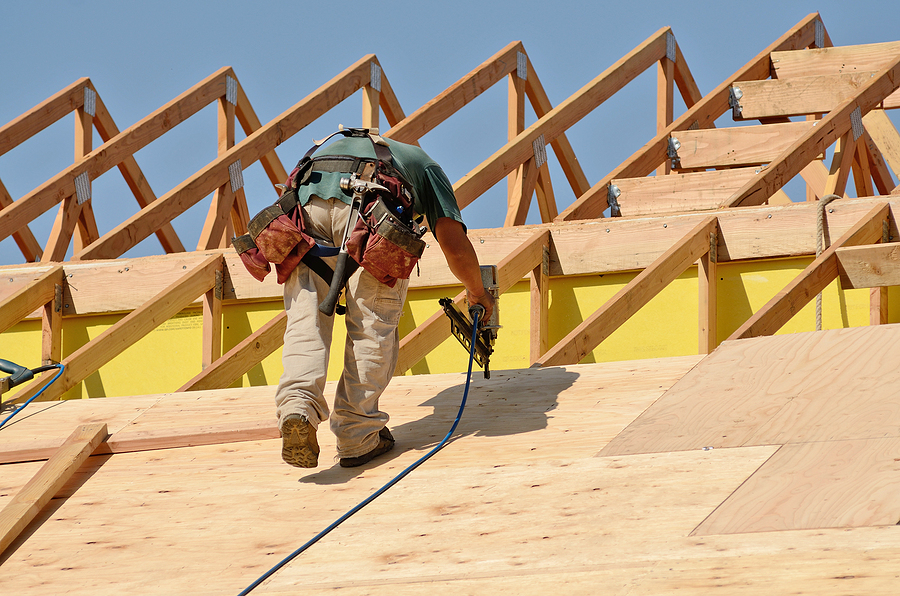
Are you planning a roofing project for a large commercial facility? If so, understanding commercial roofing cost factors upfront can make a significant difference in budgeting and long-term decision-making. Commercial roofs are complex systems that protect valuable assets, accommodate unique architectural demands, and play a role in energy efficiency and building performance. Unlike typical residential roofing projects, commercial roofing requires specialized materials, labor, and planning. All of these factors influence commercial roofing costs in ways you need to be aware of before the first estimate ever arrives.
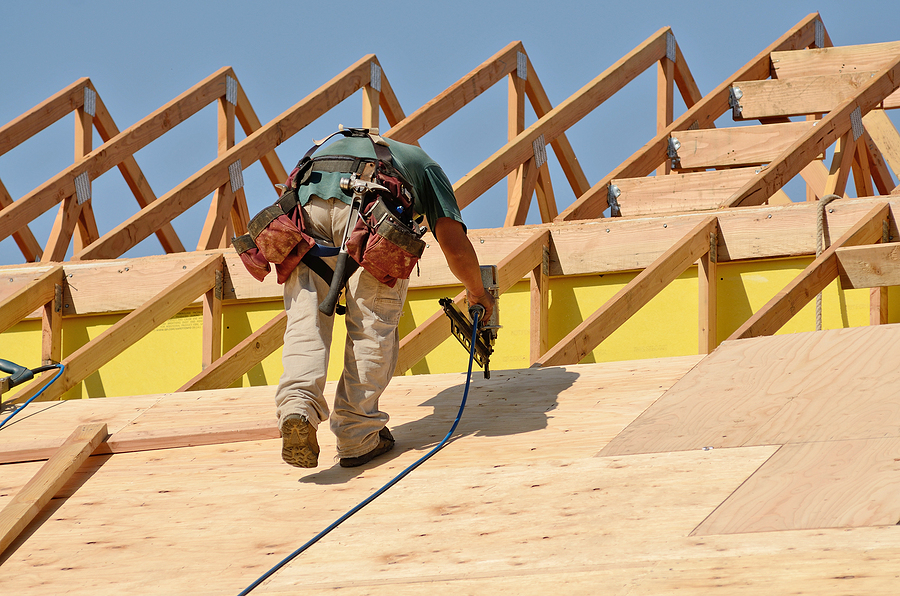
At LJ & Company, we construct and service commercial roofing systems designed to meet Maine’s ever-changing weather challenges. We always focus on delivering long-term reliability.
Below is an in-depth look at the key components that influence commercial roofing costs for large facilities so you can make an informed choice that balances performance, durability, and budget.
Commercial Roof Size and Complexity
One of the most significant commercial roofing cost factors is the size and design complexity of the roof. Larger roofs require more materials and extended labor hours. In addition, complex roof features like multiple elevations, penetrations for HVAC systems, skylights, drains, or parapet walls increase both material and labor requirements.
Even elements like roof slope, dormers, or internal courtyards can add complexity that requires specialized detailing to maintain waterproofing. Every additional detail requires planning and precision, and those intricacies contribute directly to commercial roofing costs.
Materials and System Type
The type of roofing system selected has a major impact on the price of a commercial roofing project. Commercial roofs aren’t one-size-fits-all. Options like EPDM (rubber roofing), TPO, PVC membranes, built-up roofing (BUR), modified bitumen, or metal roofing each come with varying performance characteristics, lifespans, and cost implications.
- EPDM is often a cost-effective choice for flat roofs and is known for its durability and ease of maintenance.
- TPO and PVC offer strong energy efficiency and reflectivity, which can reduce cooling costs but may cost more initially.
- Metal roofing provides longevity and resilience but typically ranks higher in upfront material expense.
Selecting the right system means balancing performance needs with long-term value, not just upfront price. This selection process is one of the core commercial roofing cost factors property managers consider when planning a large facility project.
Labor and Installation Expertise
Commercial roofing installation is labor-intensive and requires trained crews, especially on large facilities where safety, precision, and coordination are critical. Roofing crews must be familiar with commercial membrane systems, commercial drainage design, flashings, and the integration of mechanical equipment, all of which affect labor time and skill level.
More experienced teams may have higher hourly rates, but their expertise often results in fewer callbacks, reduced risk of leaks, and longer service life. Ultimately, saving money over time. Labor quality and crew efficiency are vital contributors to commercial roofing costs, particularly for extensive installations or complicated configurations.
Roof Deck Condition and Existing Layers
Before new roofing materials are installed, the condition of the existing roof deck must be evaluated. If the deck is compromised by rot, water damage, or structural issues, repairs or replacement are necessary. Additionally, building codes and best practices sometimes require the removal of existing roofing layers before a new installation can proceed.
Each of these scenarios, structural repair, demolition, disposal, and preparation, adds to the total cost of a roofing project. Thorough inspection and preparation work ensure the new roof performs as intended and maximizes longevity, but it also factors directly into the final estimate.
Insulation and Energy Efficiency Requirements
Commercial roofing is increasingly viewed as a component of building performance, not just weather protection. Insulation upgrades, tapered insulation for drainage, and reflective roofing membranes are effective ways to improve energy efficiency and reduce HVAC costs.
High-performance roofing systems that meet energy codes or sustainability goals often require premium materials or additional installation labor. These enhancements increase commercial roofing costs in the short term but can lead to significant long-term operational savings through reduced heating and cooling loads.
Drainage and Roof Penetrations
Large facilities typically house multiple mechanical systems on the roof: HVAC units, vents, skylights, and more. Proper flashing and waterproofing around these penetrations are critical. Similarly, commercial roofs must be designed for effective drainage to prevent standing water, which accelerates membrane wear.
Specialized flashings, custom curbs, and roof drains are all part of the overall roofing system, and each adds to material and labor costs. Careful planning ensures water is directed correctly, preventing pooling and extending roof life — but it’s another important consideration in the total price.
Permitting, Codes, and Compliance
Commercial roofing projects often trigger permitting requirements and local building code compliance. Larger facilities are typically governed by stricter fire-resistance, wind uplift, and insulation requirements than residential structures.
This means that roofing products must meet specific standards, and inspections may be required at various stages of installation. Navigating codes and compliance is not a trivial aspect of commercial roofing. It’s a necessary one that adds to the overall project costs.
Warranty and Maintenance Planning
Many commercial roofing systems come with warranties that cover materials and workmanship. Extended warranties or enhanced coverage options may increase upfront costs, but they provide long-term peace of mind and protection against unforeseen issues.
In addition, planning for routine inspections and maintenance can help preserve a roof’s condition and prevent costly emergency repairs later. A comprehensive warranty paired with proactive maintenance is a wise investment and should be considered when budgeting commercial roofing costs.
Get a Clear, Fair Roofing Estimate
Large commercial roofing projects demand thoughtful planning, high-quality materials, and professional execution. Understanding the main commercial roofing cost factors — from material selection and labor expertise to insulation, roof condition, and code compliance — helps building owners make smart decisions that align with both performance goals and budgets.
At LJ & Company, we specialize in commercial roofing systems tailored to the demands of Maine’s climate and the unique needs of large facilities. Our experienced team works with you to evaluate your project, explain cost drivers clearly, and deliver a solution built to last.
Ready to plan your commercial roofing project? Contact LJ & Company for a detailed consultation and transparent estimate that accounts for all the key commercial roofing cost factors.