
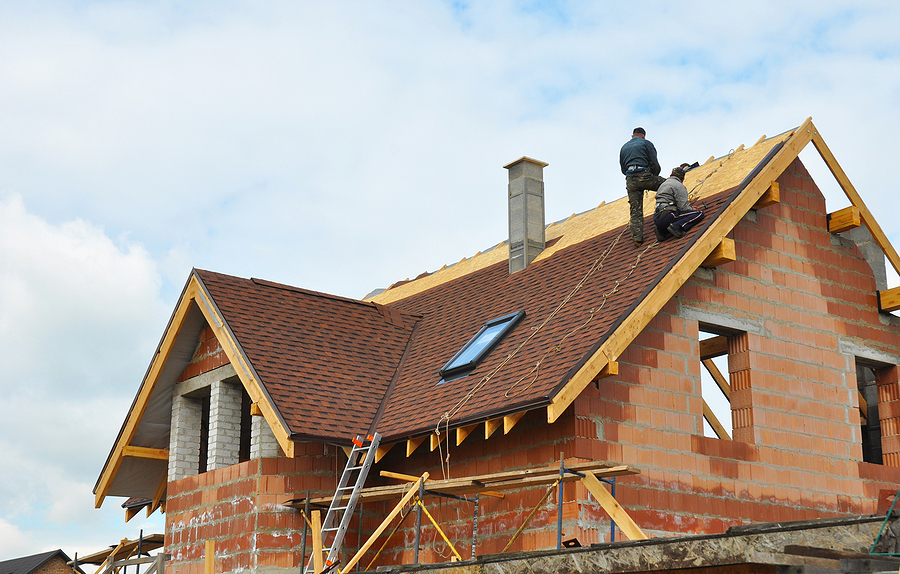
Wind damage, wind-driven rain, failed flashing, ice dams, heavy snow, salt-corrosion, freeze/thaw damage, and attic moisture are common roofing problems near the Maine coast. Coastal properties must endure assaults from both the ocean and New England winters. Small roof defects can turn into major leaks much faster than many homeowners realize.
Rain isn’t the only concern during coastal storms. Evaluate a roof as a system. Shingles or metal roof panels matter, but so do the underlayment, flashing, ventilation, roof fasteners, decking, drip edge, and counter flashing details around penetrations.
Roof leak problems stem from many areas, not just missing shingles. Read on to learn how coastal weather can cause typical roofing problems near the Maine coast.
Why Do Coastal Winds Damage Roof Shingles?
Wind can lift, crease, or remove shingles if air pressure gets under an exposed edge. Once a shingle is compromised, other nearby shingles and the underlayment might be at risk the next time winds blow.
Wind can rip out asphalt roofing cement along seams or cause other defects that may not be visible after a storm. Just because a shingle settles back down doesn’t mean everything is OK.
LJ & Company shares that shingle uplift, seam strength, roof edges, and flashing are all areas to consider during a [residential roof inspection]. Because wind damage may not be visible from the ground after a storm, the company also suggests roof inspections after major wind events.
How Does Wind-Driven Rain Enter a Roof?
Wind-driven rain can travel sideways or upward beneath shingles that have lost adhesion, cracked flashing, leaky roof vents, and roof-deck joints exposed by roofing material failure. Rain that rolls downward during a mild spring shower may enter when lateral winds push it during a hurricane.
The Insurance Institute for Business & Home Safety tested how wind-driven rain can enter typical roof assemblies if shingles have been damaged or removed. Its studies determined roofs could leak through roof- deck joints and gaps when the roof covering could no longer provide complete protection against water intrusion
Look for leaks near roof penetrations like chimneys, skylights, plumbing vents, dormers, roof valleys, and roof-to-wall connections. These details typically rely on properly installed flashing rather than patches of roofing cement.
Why Are Flashing Problems So Common Near the Coast?
Flashing damage is common because flashing protects roof edges, joints, penetrations, and valleys. Wind, thermal activity, corrosion, building movement, and previous repairs can loosen or damage flashing materials and details.
Roof flashing often includes metal pieces that need inspection for rust, raised edges, missing sealant, loose counterflashing, or staining near roof penetrations. Roof leaks will travel inside walls and across ceilings before dripping in an obvious place.
Salt spray driven by breaking waves and onshore winds is harsher than the air found further inland. FEMA says salt spray can double or triple corrosion rates versus analogous atmospheres at the same distance from saltwater bodies.
Correct flashing repairs depend on the condition of surrounding roof materials and how the flashing was installed. Applying new sealant over a questionable flashing detail may buy time, but it rarely solves an underlying problem.
Why Do Ice Dams Form on Maine Roofs?
Ice dams happen when escaping heat warms the roof enough to melt snow. Water runs down and refreezes at the colder roof edge, creating a ridge that prevents proper drainage.
That collected water can pool behind the dam and seep underneath shingles. Asphalt roofs are designed to shed running water, not support pools of water on laps and fastener holes.
Ice dams may lead to wet insulation, ceiling stains, damaged drywall, rotted roof decking, and gutter damage. Large roof-edge icicles are one clue ice dams are present, but ice buildup isn’t always required for a roof to leak.
Balanced attic ventilation, sufficient insulation, air sealing, and proper ice-& water shields help prevent ice dams. Since these components help roofs survive Maine winters together, LJ & Company includes them in its inspection process.
Can Heavy Snow Damage a Coastal Maine Roof?
Yes, snow can weigh down roofs, especially if rain, thawing, or freezing increases its density. Low-slope roofs and older roofs may be more affected.
The Maine Emergency Management Agency mentions that new snow isn’t as heavy as packed snow or ice. To give you an idea of the weight difference, MEMA estimates one inch of ice may equal one foot of new snow. Sometimes a mix of old and new snow can outweigh what most roofs are designed to handle.
Visible signs that added weight could cause issues include roof sagging, worsening leaks, cracking or popping sounds, cracked wood members, and doors or windows that won’t open or close. Evacuate if you suspect structural damage. Wait for experts to assess the roof and decking before stepping back onto the roof or onto the ladder.
Removing snow can damage the roof or injure the homeowner. MEMA warns homeowners not to scrape snow off roof shingles. Additionally, homeowners should not climb onto icy roofs or icy extension ladders.
How Do Freeze-Thaw Cycles Affect a Roof?
When water enters small cracks and freezes, thawing repeats the process many times during the winter. This freeze/thaw activity can enlarge openings in flashing, roofing shingles, brickwork, sealants, gutter joints, and roof edges.
A small gap in flashing during fall may leak significantly by spring when ice expands inside the gutter. Freeze/thaw activity can also cause gutter seams and downspouts to ice shut, preventing runoff from escaping.
This ice expansion is another reason why fall roof inspections can be beneficial in Maine. Don’t wait until freezes occur to identify and fix roof issues.
Does Poor Attic Ventilation Damage the Roof?
Poorly ventilated attics can damage roofs. Poor ventilation can increase attic heat, trap moisture, worsen condensation problems, and contribute to ice dams. It is not a stand-alone upgrade that can improve your roof by itself.
Air leakage can allow warm, humid interior air into the attic space from attic hatches, recessed lights, electrical wiring, plumbing vents, and dryer vents. Once that warm air hits a cold roof deck, condensation may form on the wood surfaces.
Symptoms include: dark stains on roof sheathing, wet insulation, attic mold, rusted nail heads, and frost/ice in the attic. Vent bathroom and dryer exhaust outdoors, not into the attic.
LJ & Company evaluates intake and exhaust during roof inspections and installs roofing systems with appropriate underlayment, ice-& water protection, ventilation, and flashing.
Are Moss and Algae Serious Roofing Problems?
Moss and algae growth are cosmetic, not serious, roofing problems. However, both can increase maintenance needs and hide other issues. Algae typically appear as dark streaks. Moss is thicker and can retain moisture along the roof surface.
Dosing moss off of shingles may seem logical, but scrubbing can damage roofing material and strip away the covering granules. High-pressure washing is another bad idea.
Branches hanging over the roof, shade, and debris help create conditions for algae and moss to grow. Simple roof cleaning from the ground using products approved by the shingle manufacturer is the safest option.
When Can a Coastal Roof Be Repaired?
Any roof can often be repaired if the damage is isolated and the surrounding materials are still in good shape. For instance, a couple of wind-damaged shingles, a broken roofing course around a vent, or a small area of damaged decking may qualify for repair.
The company offers [residential roof repair] for asphalt roofs and metal roofs. Services include finding the source of a leak, replacing shingles, flashing repairs, ice dam damage, and metal roof fasteners or seam issues. Instead of suggesting roof replacements, LJ & Company prefers to repair what’s failing now.
Roof replacement could be a better option if: Most shingles need to be replaced, the roof constantly needs repairs, decking is rotting or curling, or the roof is nearing the end of its service life.
How Can Homeowners Reduce Coastal Roofing Problems?
Most roofing problems can be reduced by following a few basic tips. Regular roof inspections, keeping rainwater flowing through gutters, addressing attic ventilation and insulation issues, and watching for trouble after storms help keep small repairs from becoming big expenses.
Water damage is far more costly than replacing worn or missing shingles. Here are tips to prevent common roof problems along the Maine coast.
- Have your roof inspected before winter arrives and after coastal storms.
- Walk your roof after storms. Look for missing, cracked, heavily bruised, or missing granules on shingles.
- Keep gutters clear so water can escape safely.
- Inspect your attic for water stains, wet insulation, frost, or mold growth.
- Repair flashing rather than spot-using roof cement.
- Never walk on a wet roof, a roof with lots of ice, or areas where shingles are damaged and curling.
- Improve ventilation and insulation if ice dams are recurring.
If you spot a roof leak or stain on the ceiling, don’t assume the source is exactly above that spot. Finding the cause may mean looking beyond just the roof.
What Are the Most Common Roofing Problems Near the Maine Coast?
The most common roofing problems near the Maine coast are wind damage, wind-driven rain, leaky flashing, ice dams, heavy snow loads, salt-related corrosion, freeze/thaw deterioration, and attic condensation. Homeowners can avoid these common roof problems by following recommendations for each section above.
Concerned your roof is handling coastal Maine weather? Contact LJ & Company to schedule your roof inspection. Get expert repair or roof replacement recommendations that fit your budget.