
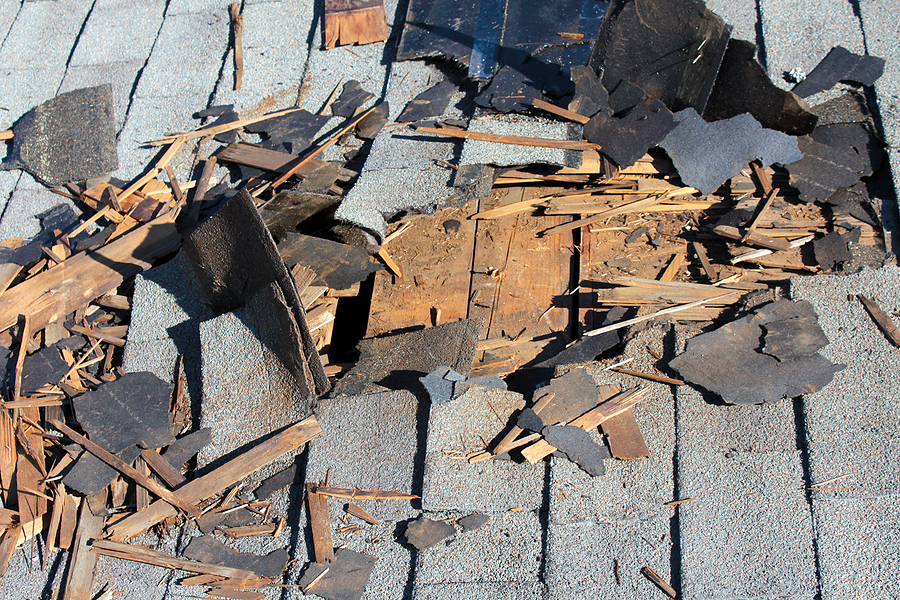
Choosing between asphalt roof repairs and roof replacement? Learn what causes shingles to curl and crack.
Curling and cracked asphalt shingles are some of the first signs of a worn-out roof. In most cases, asphalt shingles curl and crack as a result of age, sun exposure, poor attic ventilation, moisture, improper installation, or severe weather. Over time, it’s normal for shingles to become worn and brittle. But if your shingles are curling or cracking prematurely, something else could be wrong.
Let’s look at some of the reasons why asphalt shingles curl up and crack.
Learn What Causes Shingles to Curl and Crack
If you’ve spotted roof shingles lifting up at the edges, curling upward, or you’ve noticed asphalt shingles with visible cracks, read on to find out what caused the issue. You’ll also learn if repairing or replacing your roof is your best option.
Why Do Asphalt Shingles Curl?
Asphalt shingles start to curl as they lose their flexibility and begin to pull away from the roof deck. The edges curl upward slowly over time.
There are two types of curling: cupping and clawing. Cupped shingles have edges that turn upward, while clawing is when the center of the shingle begins to rise up.
Both compromise your roof’s ability to repel water and protect your home from the elements.
What Causes Asphalt Shingles to Crack?
Asphalt shingles crack as they become brittle and lose their flexibility. Cracked shingles can no longer expand or contract with changes in temperature.
Heat, ultraviolet (UV) rays, moisture, and freeze/thaw cycles cause asphalt shingles to lose their oils over time. As shingles dry out, they become brittle and break during normal expansion/contraction.
Cracked shingles allow water to reach the roof deck, insulation, and potentially your home’s interior.
Does an Old Roof Naturally Develop Curling and Cracking?
Yes, age causes asphalt shingles to curl and crack over time. Asphalt shingle roofs are meant to last 20-30 years on average. The material will start to dry out and oxidize over time.
As shingles lose their protective oils, they become brittle and prone to cracking. Older roofs with curling shingles are likely years away from needing replacement.
Can Sun Exposure Damage Asphalt Shingles?
Yes, UV rays from the sun damage asphalt roofing materials. Sunlight can deteriorate shingles much faster than roofs that are mostly shaded.
Roofs that are exposed to high summer temperatures will expand and contract more than roofs in areas with mild weather. This movement speeds up the aging process.
Shingles are manufactured to resist UV rays, but constant exposure will eventually cause your shingles to degrade.
How Does Poor Attic Ventilation Affect Shingles?
Poor attic ventilation is a common cause of premature roof failure. Hot air gets trapped inside the attic during warm seasons. This causes heat to build up inside your attic and radiate into your roof and down onto your shingles.
Roofing materials that are constantly heated from above and below will dry out and age faster. Not only does poor ventilation cause your shingles to curl and crack, but it can reduce your roof’s lifespan by years.
Can Moisture Cause Asphalt Shingles to Curl?
Yes. Moisture trapped under your roofing shingles can cause them to curl. Roof leaks and poorly ventilated attics can introduce moisture to your roof decking.
As your roof decking swells and contracts with moisture, it can force your shingles to bend and curl.
Does Improper Installation Lead to Curling Shingles?
Improperly installed shingles are much more likely to curl up. Using the wrong type of nails or not following the manufacturer’s installation instructions can reduce your roof’s lifespan.
Some common installation mistakes include:
- Not placing nails in the correct spots
- Driving nails too hard or not hard enough
- Shingles aligned improperly
- Failing to ventilate the attic space during installation
- Not following the shingle manufacturer’s installation guide
These mistakes can invalidate your manufacturer’s warranty and shorten your roof’s lifespan.
Can Severe Weather Damage Asphalt Shingles?
Severe weather is always responsible for some degree of curling and cracking. High winds can lift shingles and damage the seals that hold them in place.
Damaged or missing shingles are more susceptible to moisture intrusion and wind damage. Large hail can crack shingles and strip away granules.
Inspecting your roof after severe storms can prevent leak issues down the road.
Why Are Missing Granules a Warning Sign?
Asphalt shingles are covered in protective granules that protect the asphalt from the elements. As your roof ages, you will normally lose some granules.
Losing shingle granules accelerates the curling and cracking process. When too many granules are lost, the asphalt is exposed to sunlight, which causes it to crack and dry out.
Do you often find granules in your gutters or near downspouts? It’s common to find lots of granules after heavy rains.
If your roof is losing shingle granules, expect to see curling and cracking.
Can Tree Coverage Affect Asphalt Shingles?
Yes, tree coverage can have both positive and negative effects on your roof. Large trees that provide afternoon shade can reduce the amount of UV exposure your roof receives.
Roofs that are shaded for most of the day won’t dry out and heat up as fast as roofs that are exposed to sunlight. Too much shade, on the other hand, can trap moisture against your roof.
This makes your roof more susceptible to moss, algae growth, and falling branches. Trim back branches that hang over your roof to limit these issues.
Should You Repair or Replace Curling Shingles?
If your roof is nearing the end of its service life, you might not want to bother repairing curling shingles. On the other hand, if your roof is relatively new and only a few shingles are affected, replacement may be all you need.
How To Prevent Asphalt Shingles From Curling
You can take steps to ensure your roof lasts as long as possible. Maintenance is one of the best ways to prevent curling and cracked shingles.
Perform these simple tasks to help prolong your roof’s life expectancy.
Inspect your roof twice a year. Keeping your gutters clean ensures they will function properly when it rains. Always clean up after storms and fix minor damages as soon as possible.
Check your attic ventilation. Trim back any branches that hang over your roof. If your roof suffered storm damage, have it inspected immediately.
The professionals at LJ Roofing & Siding can inspect your roof and point out problem areas. Our team can perform asphalt roof repairs and roof replacements if needed.
When Should You Call a Roofing Professional?
There’s never a bad time to schedule a professional roof inspection. Moisture will find its way through cracked and curling shingles. Once water reaches your roof deck, wood rot, mold, and structural damage can occur.
The earlier you address roofing problems, the better. Ignoring your roof will always cost you more money over time.
Protect Your Roof Before Small Problems Become Major Repairs
If you notice your asphalt shingles are curling or cracking, don’t ignore the problem. Whether the issue is caused by age, sun exposure, severe weather, improper ventilation or installation, it’s critical to determine the cause.
Once you know what’s causing your roof problems, you can decide whether to repair or replace your roof. Contact LJ Roofing & Siding today to schedule your roof inspection.