
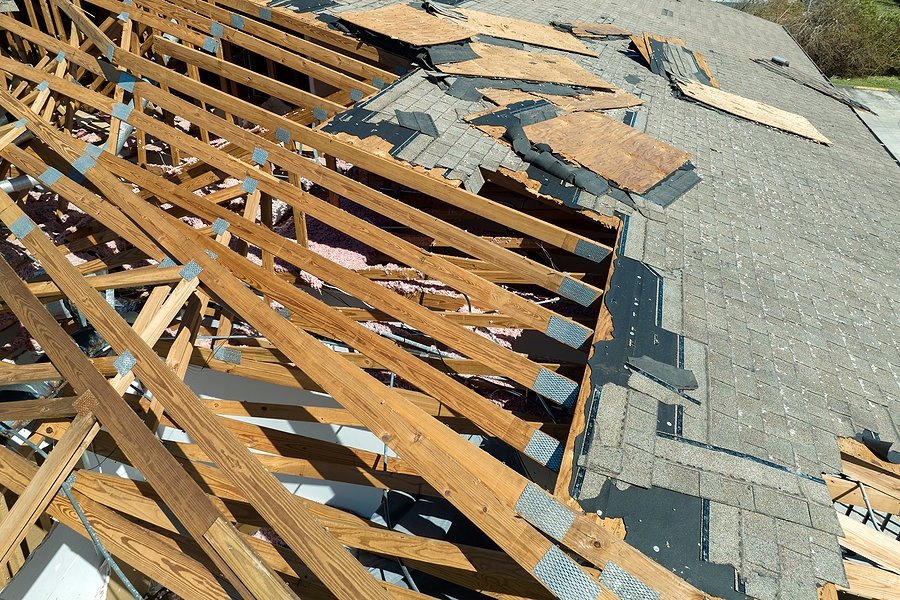
Storms can damage residential roofs in minutes. The high winds, rain, hail, fallen tree branches, and other debris can greatly impact your roof’s performance when you need it most. Once the storm clears, determining whether your roof needs emergency repairs should be a top priority.
Emergency residential roof repair should be performed quickly to prevent a small problem from becoming a roof disaster. Emergency repairs help protect your home from water damage, limit roofing repair costs, and restore safety. Here’s what you need to know.
Why Storm Damage Requires Immediate Attention
Many common roofing problems turn into serious issues if they aren’t addressed right away.
Missing shingles may not seem like a huge problem after a storm, but once your roofing system is penetrated, water can begin working its way into underlying roof materials. This can cause damage to roof decking, insulation, drywall, ceilings, and electrical components.
The longer water sits drying on your roof, the more damage it can cause.
Emergency roof repairs can help you limit the effects of storm damage while you wait for permanent repairs.
Common Types of Storm-Related Roof Damage
High winds, rain, hail, debris, and falling objects can cause problems in several different ways. Here are some common types of storm damage:
- Missing or lifted shingles
- Hail damage
- Flashing damage
- Fallen tree branches
- Punctures
- Water damage around roof penetrations
- Gutter and drainage problems
Not all storm damage is visible from the street or ground. Loose or missing shingles could go unnoticed until you get a professional roof inspection.
That is why you should never assume your roof is fine just because you don’t see water coming in.
Signs You May Need Emergency Roof Repair
Once the storm has passed and it is safe to do so, homeowners should inspect their property for any signs of roof damage. These can include:
- Missing shingles
- Pieces of roofing material in the yard
- Sagging areas of the roof
- Water stains on ceilings
- Watermarks on exterior walls
- Debris on the roof
Other indicators can also appear inside the home, such as:
- Damp insulation
- Water dripping
- Discoloration on walls
- Brown stains on ceilings
If any of these signs are visible, it may be time to call for emergency roof repair.
Temporary Repairs Can Prevent Further Damage
Emergency roof repair aims to reduce secondary damage. Temporary repairs can include placing tarps on your roof or making permanent roofing materials watertight.
The longer your roof goes without emergency repairs, the more damage water can inflict on the inside of your home.
These solutions are not permanent, but they can buy time and reduce water damage.
The key is to get emergency repairs done as soon as possible.
Why Professional Inspections Matter
Storm damage isn’t always easy to identify on your own. For instance, wind may have loosened shingles without knocking them off the roof. Or, hail storm damage may have compromised your roof material’s integrity without breaking through.
A professional roofing contractor knows what to look for during a roof inspection. They can often identify problem areas that may lead to roof leaks during the next rainstorm.
Water Damage Often Costs More Than Roof Repairs
Emergency roof repairs are so crucial because water damage restoration often costs more than fixing your roof. Water enters your home and can affect many different building systems.
Ceiling, walls, insulation, flooring, and even electrical wires can be affected by water. Mold can also start to grow throughout your house.
Small leaks can turn into larger reconstruction projects if not handled quickly.
Document Damage for Insurance Purposes
Photograph anything you can after the storm passes and it is safe to do so. Pictures of your roof, missing shingles, fallen branches, holes, and interior leaks can be helpful if you file an insurance claim.
Document repairs, inspections, and professional opinions. Record roofing quotes and keep track of all repair costs.
All of this information may be useful to your insurance provider and can help streamline the process.
Not Every Storm Requires a Full Roof Replacement
There’s a misconception that any type of storm damage requires a brand-new roof. Sometimes roofs can be repaired, depending on your roof’s age and the damage that occurred.
Professional contractors can assess the damage and help you decide between repair or replacement. The best solution for your roof will depend on several different factors.
Preventative Maintenance Helps Reduce Future Damage
Storms can happen to anyone, but there are ways to increase your roof’s ability to handle severe weather. Regular roofing maintenance and keeping your roof in good condition can help you avoid emergency roof repairs.
Critters, damaged shingles, and other weak spots on your roof can turn into bigger problems during a storm. Maintenance allows contractors to catch these problem areas and repair them.
Old, worn materials may also need to be replaced before storm season.
Fast Response Makes a Difference
Don’t wait for your roof to fail after storm damage. After severe weather hits, the first 24 to 48 hours are critical. If you respond quickly enough, you can catch damage before water enters your home.
The longer you wait, the more it will cost to repair your roof. Water and structural damage can pose significant risks to your home.
Trust LJ Roofing & Siding for Emergency Storm Damage Repairs
Emergency roof repairs should be done as quickly as possible to avoid further damage. If your roof has suffered from storm damage, you want a trustworthy roofer you can count on. Call LJ & Company for emergency roof repairs after severe storms and wind damage.
Our trained professionals can assess the damage and provide options for your damaged roof. We offer emergency repair services to make your roof safe and protect it from water intrusion.
Contact LJ & Company today for your emergency roof repair. Our specialists can provide emergency inspections and repairs to help you protect your home from storm-related damage.