
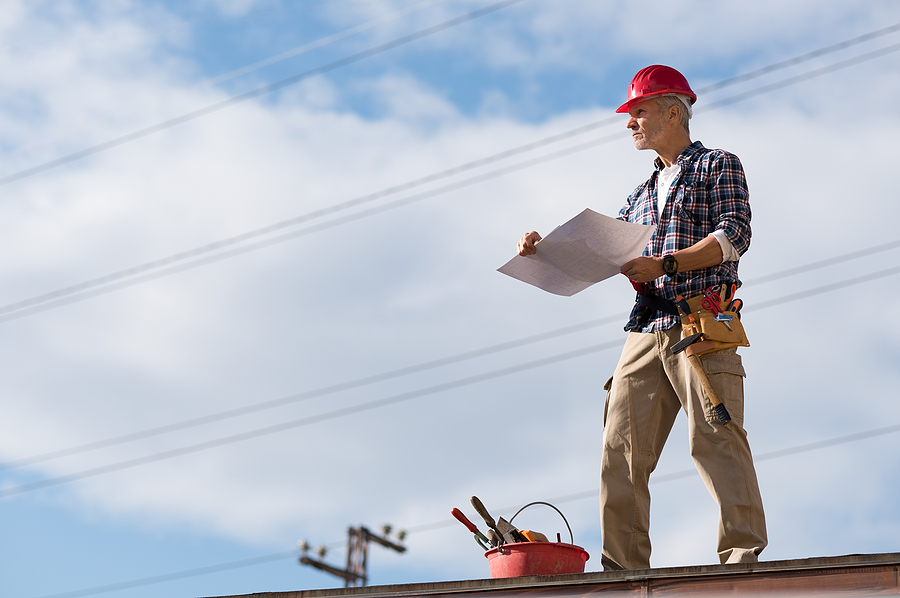
A roof is easy to forget about when everything looks fine from the ground. No leaks, no missing shingles, nothing obvious. That is usually when problems are quietly developing.
A residential roof inspection is not just about spotting damage. It is about catching small issues early, confirming that everything is performing as it should, and extending the life of the entire system.
If you have ever wondered what actually gets checked during an inspection, this guide breaks it down in a way that makes sense.
Why Roof Inspections Matter
Roofs are constantly exposed to sun, rain, wind, and temperature changes. Over time, even high-quality materials begin to wear down.
The problem is that most issues do not show up immediately inside your home. By the time you see a water stain or notice a leak, the damage has usually been building for a while.
A proper inspection helps identify those early warning signs before they require more expensive, more disruptive repairs.
It also gives you a clear understanding of your roof’s condition, which is useful whether you plan to stay in your home long-term or sell in the future.
Exterior Surface Inspection
The first part of any roof inspection focuses on the visible surface. This is where many common problems start.
Inspectors look closely at the condition of shingles or roofing material. They check for signs of wear, damage, or aging that could affect performance.
This includes:
- Missing, cracked, or curling shingles
- Areas where granules have worn away
- Signs of impact from debris or storms
- Uneven sections that may indicate underlying issues
Even small problems in this area can lead to bigger issues if they are not addressed.
Flashing and Penetration Points
Some of the most vulnerable areas on a roof are where different materials meet.
Flashing is used to seal areas around chimneys, vents, skylights, and edges. If flashing fails, water can find its way into the structure even if the rest of the roof looks fine.
During an inspection, these areas are checked for proper installation, wear, and any gaps or corrosion.
It is a detail that is often overlooked, but it plays a major role in keeping your home protected.
Gutters and Drainage
Water needs a clear path off your roof. If drainage is not working properly, it can lead to pooling, overflow, and long-term damage.
Inspectors look at the condition of gutters and downspouts to ensure they are functioning properly.
Clogs, sagging sections, or improper alignment can all affect how water moves away from your home. Over time, that can lead to issues not just with the roof, but also with siding and the foundation.
Structural and Decking Condition
Not all problems are visible on the surface.
A roof inspection also looks at the structure beneath the outer layer. This includes checking for sagging, soft spots, or signs of compromised decking.
These issues can develop from prolonged moisture exposure or general wear. They are important to catch early because they can affect the stability of the entire roof system.
Interior Inspection
A thorough inspection does not stop at the roof itself. It also includes a look inside the home, usually in the attic.
This is where signs of leaks often first appear. Inspectors check for water stains, mold, or damp insulation.
They also look at ventilation and airflow. Poor ventilation can trap heat and moisture, shortening your roof’s lifespan and increasing energy costs.
The interior inspection helps connect what is happening on the outside with what is happening inside your home.
Ventilation and Airflow
Ventilation is one of the most overlooked parts of a roofing system.
Without proper airflow, heat and moisture build up in the attic. This can lead to issues like warped materials, mold growth, and higher energy bills.
An inspection includes evaluating vents, soffits, and overall airflow to ensure everything works together.
Fixing ventilation issues can often extend your roof’s lifespan and improve your home’s comfort at the same time.
Common Issues Found During Inspections
Even roofs that appear to be in good condition can have hidden problems.
Some of the most common issues inspectors find include:
- Early signs of shingle wear or damage
- Failing flashing around penetrations
- Clogged or poorly functioning gutters
- Minor leaks that have not yet reached living spaces
These are the types of issues that are much easier and less expensive to fix when caught early.
How Often Should You Schedule an Inspection?
Most homeowners benefit from having their roof inspected at least once a year.
It is also a good idea to schedule an inspection after major storms, especially if your area experiences high winds or heavy rainfall.
Regular inspections help you stay ahead of problems rather than react to them after damage has occurred.
What You Get From a Professional Inspection
A professional inspection provides more than just a checklist. It gives you a clear picture of your roof’s condition and what, if anything, needs attention.
You get:
- A detailed assessment of current issues
- Recommendations for repairs or maintenance
- Insight into the remaining lifespan of your roof
That information helps you make better decisions and avoid unexpected surprises.
The Bottom Line
A residential roof inspection covers much more than most people expect. It looks at the surface, the structure, the drainage system, and even the interior of your home.
Each part plays a role in protecting your property and keeping your roof performing the way it should.
Staying proactive with inspections is one of the simplest ways to extend your roof’s lifespan and protect your investment.
If you want to ensure your roof is in good condition and catch problems before they become costly repairs, LJ Roofing & Siding can help. Our team provides thorough inspections and clear recommendations, so you know exactly where you stand. Reach out today to schedule your residential roof inspection.