
When planning a roof replacement for a commercial property, one of the first questions is always about timing. Business owners need to know how long the process will take and how it will impact daily operations. Understanding roof replacement timelines helps you plan ahead and avoid unnecessary disruptions.
At LG & Company, Inc. Roofing & Siding Services, we work closely with businesses to create realistic schedules. Every project is different, but there are consistent factors that determine how long a replacement will take. Knowing what to expect makes the process smoother from start to finish.
What Impacts Roof Replacement Timelines
There isn’t a one-size-fits-all answer when it comes to timelines. The size of the building, type of roofing system, and overall condition of the structure all play a role. Larger and more complex roofs naturally require more time.
The weather is another major factor that can affect progress. Rain, wind, or extreme temperatures can delay installation and extend the schedule. Planning around seasonal conditions helps keep projects on track.
Material availability can also influence timing. If specialized materials are required, lead times may need to be factored into the overall schedule. Working with an experienced contractor helps minimize these delays.
Typical Commercial Roof Replacement Time
For many businesses, the time required for a commercial roof replacement falls within a predictable range. Smaller commercial buildings may take just a few days to complete. Larger facilities or multi-structure properties can take several weeks.
The type of roofing system also affects the timeline. Flat roofs, metal systems, and multi-layer assemblies each require different installation processes. Some systems are faster to install, while others require more detailed work.
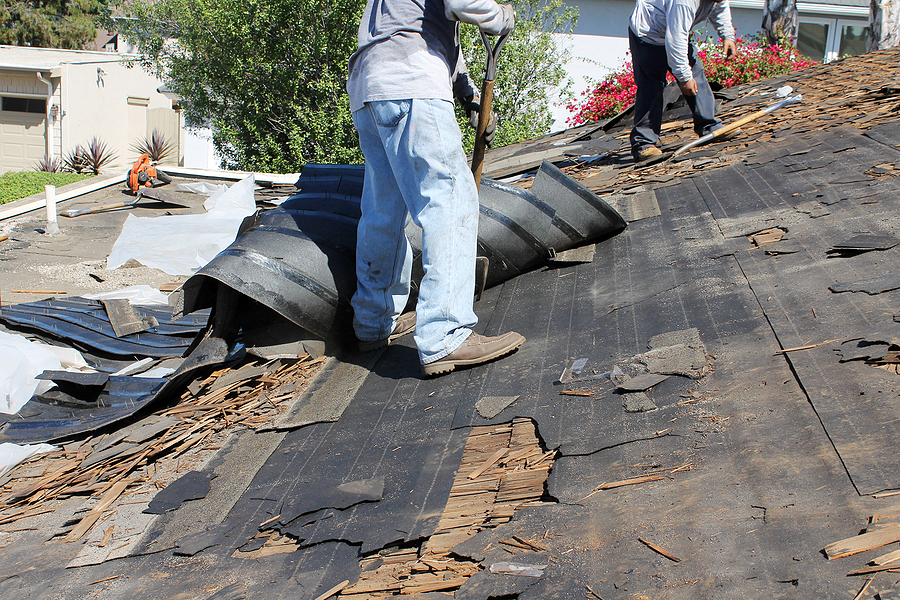
Preparation and cleanup are also part of the timeline. Removing old materials, repairing the substrate, and ensuring proper installation all take time but are essential for long-term performance.
Planning Around Business Operations
One of the biggest concerns for businesses is how a roof replacement will affect operations. The goal is always to minimize disruption while maintaining safety. With proper planning, most projects can move forward without major interruptions.
Work can often be scheduled in phases to limit the impact on daily activities. This allows sections of the building to remain fully operational while others are being worked on. Clear communication between the contractor and business owner is key.
Noise and access restrictions may still occur during the project. Setting expectations ahead of time helps everyone prepare and avoid surprises.
The Role of Inspections and Permits
Before any work begins, inspections and permits are often required. These steps ensure that the project meets local building codes and safety standards. While they may add time to the process, they are essential for compliance.
Permit approval timelines can vary by location. Some approvals happen quickly, while others take longer. Factoring this into your schedule helps prevent delays once the project is ready to begin.
A thorough inspection also helps identify any underlying issues. Addressing these early prevents unexpected problems during installation.
Unexpected Delays and How to Handle Them
Even with careful planning, unexpected issues can arise. Hidden damage, structural concerns, or weather changes can all affect the timeline. Being prepared for these possibilities helps reduce stress during the project.
Flexibility is important when dealing with commercial roofing. Adjusting the schedule when needed ensures the work is done correctly rather than rushed. Quality should always take priority over speed.
Working with an experienced contractor helps minimize surprises. Proper planning and communication make it easier to adapt when challenges come up.
How to Keep Your Project on Schedule
Staying on schedule starts with choosing the right contractor. Experience, organization, and clear communication all contribute to a smoother process. A well-managed project is more likely to stay on track.
Regular updates help keep everyone informed. Knowing the project’s stage allows business owners to plan accordingly. Transparency builds confidence throughout the process.
Preparing the site in advance also helps. Clearing access points and coordinating logistics reduces delays once work begins.
Why Proper Timing Matters for Long-Term Results
Rushing a roof replacement can lead to problems later on. Proper installation takes time and attention to detail. Cutting corners to speed up the process often results in costly repairs down the road.
A well-planned timeline ensures each step is completed correctly. From preparation to final inspection, every phase contributes to the roof’s overall performance. Taking the time to do it right protects your investment.
In the long run, a properly installed roof saves time and money. It reduces the need for frequent repairs and extends the life of the system.
Work with LG & Company, Inc. Roofing & Siding Services
Understanding roof replacement timelines helps you plan your project with confidence. Knowing what affects the time required for a commercial roof replacement allows you to make informed decisions for your business.
At LG & Company, Inc. Roofing & Siding Services, we focus on efficiency without sacrificing quality. We work with you to create a timeline that fits your needs while delivering reliable results.
If you’re planning a commercial roof replacement, now is the time to start. Contact LG & Company, Inc. Roofing & Siding Services today to schedule a consultation and get your project moving forward.