
Water is one of the biggest threats to any roofing system. When it’s managed properly, it flows off the roof with ease without causing damage. However, when it’s not, roof drainage problems can quickly lead to leaks, structural issues, and costly repairs.
At LG & Company, Inc. Roofing & Siding Services, we see how poor roof drainage issues develop over time. Most start small but worsen if they aren’t addressed early. Understanding the causes and solutions can help protect your property and extend your roof’s lifespan.
Why Proper Roof Drainage Matters
A roofing system is designed to move water away efficiently. When drainage works correctly, water doesn’t sit on the surface or seep into vulnerable areas. This reduces the risk of leaks and long-term damage.
When drainage fails, water begins to collect in areas it shouldn’t. Standing water, also known as ponding, puts stress on the roof structure. Over time, this can lead to deterioration of materials and eventual failure.
Even minor drainage issues can escalate quickly. That’s why proper design and maintenance are critical.
Common Roof Drainage Problems
Most drainage issues follow predictable patterns. They often develop in areas where water flow is interrupted or where the system isn’t designed correctly.
One of the most common problems is clogged drains or gutters. Debris like leaves, dirt, and branches can block water flow, causing backups. This leads to water pooling on the roof instead of draining away.
Improper slope is another frequent issue. Flat or low-slope roofs must be designed carefully to direct water toward drains. If the slope is inadequate, water will collect in low spots.
Damaged or poorly installed drainage components can also cause problems. Cracked drains, loose connections, or undersized systems can all prevent proper water flow.
Signs of Poor Roof Drainage Issues
Drainage problems often show warning signs before major damage occurs. Recognizing these early indicators can help you take action sooner.
Standing water on the roof after rain is one of the most obvious signs. If water remains for more than 48 hours, it’s a clear indication of a drainage issue.
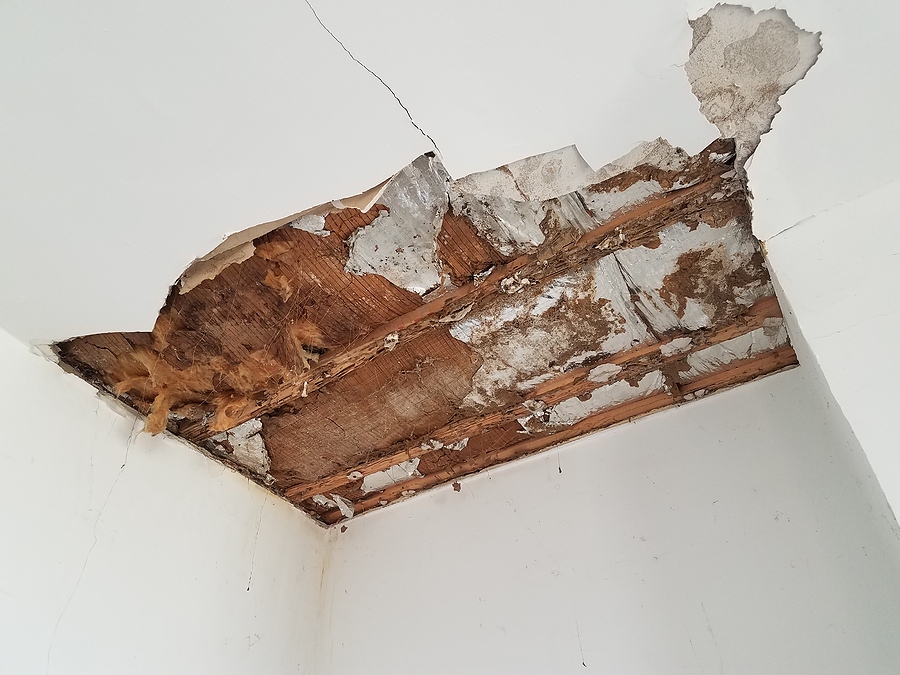
Interior signs may also appear. Water stains, mold growth, or musty odors can point to hidden drainage problems. These issues often start at the roof level and work their way inside.
Visible wear on roofing materials is another clue. Areas exposed to constant moisture may deteriorate faster.
How Poor Drainage Leads to Roof Damage
When water isn’t properly directed off the roof, it begins to break down materials over time. Roofing membranes, shingles, and underlayment are all affected by prolonged exposure to moisture.
Ponding water adds weight to the roof structure. This can stress the decking and supporting components, increasing the risk of sagging or structural damage.
Moisture can also find its way into seams, joints, and penetrations. Once inside, it can lead to leaks and interior damage.
Over time, these issues compound. What starts as a drainage problem can turn into a much larger repair if left unaddressed.
Effective Solutions for Roof Drainage Problems
Addressing drainage issues starts with identifying the root cause. Once the problem is understood, the right solution can be applied.
Cleaning and maintaining gutters and drains is one of the simplest fixes. Removing debris restores proper water flow and prevents backups.
Improving the roof slope may be necessary in some cases. This can involve adding tapered insulation or adjusting the structure to direct water toward drainage points.
Repairing or replacing damaged components is also important. Ensuring that drains, scuppers, and downspouts are functioning correctly helps maintain consistent performance.
In more complex situations, upgrading the drainage system may be required. This ensures the roof can handle water flow effectively, even during heavy rainfall.
Preventive Maintenance Makes a Difference
The best way to avoid roof drainage problems is through regular maintenance. Routine inspections help identify potential issues before they become serious.
Keeping drains and gutters clear is one of the most effective preventative steps. Regular cleaning reduces the risk of blockages and water buildup.
Professional inspections provide a more detailed assessment. They can identify hidden problems that aren’t visible from the ground.
Taking a proactive approach helps extend the life of your roof. It also reduces the likelihood of unexpected repairs.
Planning for Long-Term Drainage Performance
A well-designed drainage system doesn’t just solve current issues. It prevents future problems as well.
When planning repairs or replacements, it’s important to consider how water will move across the roof. Proper design ensures that drainage remains effective over time.
This includes evaluating the size and placement of drains, as well as the overall slope of the roof. Small adjustments can make a significant difference in performance.
Long-term planning helps protect your investment. It ensures your roof continues to perform even under changing conditions.
Work with LG & Company, Inc. Roofing & Siding Services
Understanding roof drainage problems is the first step in protecting your property. Addressing poor roof drainage early can prevent costly damage and extend your roof’s lifespan.
At LG & Company, Inc. Roofing & Siding Services, we specialize in diagnosing and solving drainage challenges. Our team focuses on practical, long-term solutions that keep your roof performing the way it should.
If you’re experiencing drainage issues or want to prevent them before they start, now is the time to act. Contact LG & Company, Inc. Roofing & Siding Services today to schedule an inspection and keep your roof protected.