
Roof leaks rarely happen out of nowhere. In most cases, they start as small issues that go unnoticed until they turn into bigger problems. Understanding the common leaks in roofing systems helps you catch them early before excessive damage occurs.
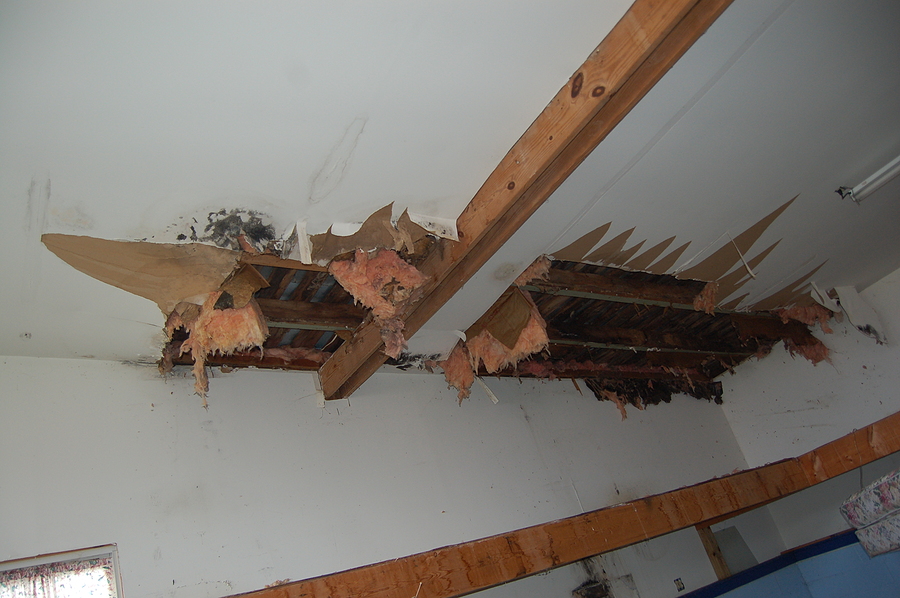
At LG & Company, Inc. Roofing & Siding Services, we’ve seen just about every type of leak. Most follow predictable patterns once you know where to look. That’s why identifying the causes of roof leaks is so important.
Damaged or Missing Shingles
Shingles are your roof’s first layer of protection. When they’re intact, they shed water and protect everything underneath. However, over time, shingles can crack, curl, or go missing due to wind and weather. Once that happens, water can slip beneath the surface.
This is one of the most common sources of leaks. It’s also one of the easiest to miss from the ground.
Flashing Failures Around Roof Features
Flashing protects areas where the roof meets structures like chimneys, vents, and walls. These spots are naturally more vulnerable to leaks.
When flashing cracks, loosens, or corrodes, water quickly finds its way in. Poor installation can also cause early failure. These leaks often start small but worsen over time. Catching them early can prevent more serious damage.
Clogged or Improperly Installed Gutters
Gutters are designed to move water away from your roof and home. When they clog, water has nowhere to go.
Instead, it backs up onto the roof and seeps under the shingles. This can lead to leaks along the edges of the roof. Improper installation can make things worse by directing water the wrong way. Regular cleaning helps prevent these issues.
Roof Penetrations and Vent Leaks
Any opening in your roof creates a potential leak point. This includes vents, pipes, and HVAC components.
These areas rely on seals that wear down over time. Once they crack, water can enter easily. Because these leaks start small, they often go unnoticed. Over time, they can lead to more significant damage.
Aging Roofing Materials
All roofing materials break down over time. As they age, they become less effective at keeping water out.
Shingles lose granules, seals weaken, and the roof becomes more vulnerable. Multiple small issues can combine into larger leaks. Older roofs need closer monitoring. Regular inspections help catch problems early.
Improper Installation
Not all leaks are caused by age or weather. Some start with poor installation. Mistakes like misaligned shingles or poorly sealed areas create weak points. These issues may not show up right away. Over time, they allow water to enter the system. That’s why choosing the right contractor matters.
Ice Dams and Seasonal Issues
In colder climates, ice dams can cause serious problems. Melted snow refreezes at the roof edge, blocking proper drainage.
Water backs up under the shingles and into the home. This leads to leaks that can be difficult to detect at first. Seasonal temperature changes also stress roofing materials. Expansion and contraction can create cracks over time.
How to Catch Roof Leaks Early
Catching leaks early makes repairs easier and less expensive. Small signs can point to bigger issues.
Look for water stains, peeling paint, or musty smells inside your home. These are often early warning signs. After storms, it’s a good idea to check your roof. A professional inspection can uncover hidden problems.
Where Roof Leaks Typically Start
Most roof leaks don’t happen in the middle of a wide, open section of shingles. They usually begin in areas where different materials meet or where the roof is interrupted. These transition points are naturally more vulnerable and require proper installation and maintenance to stay watertight.
Around Chimneys and Skylights
Chimneys and skylights break the roof’s continuous surface, making them common leak points. The flashing around these features can wear down, crack, or separate over time. When that happens, water can easily work its way inside.
Along Roof Valleys
Roof valleys are where two slopes meet, and they handle a large amount of water runoff during rain. As a result, they experience more wear than other areas. If the materials in the valley become damaged or improperly sealed, leaks can develop quickly.
Near Roof Edges and Eaves
The edges of your roof are constantly exposed to water flow and environmental stress. If shingles, underlayment, or drip edges are compromised, water can begin to seep underneath. Over time, this can lead to damage in the fascia, soffit, and even inside the home.
Protect Your Home with G & Company, Inc. Roofing & Siding Services
Knowing the common leaks in roofing systems is only the first step. Taking action is what protects your home.
At LG & Company, Inc. Roofing & Siding Services, we identify the root causes of roof leaks and fix them properly. Our team focuses on long-term solutions, not quick fixes.
If you think your roof may have a leak, don’t wait. Contact LG & Company, Inc. Roofing & Siding Services today to schedule an inspection and keep your home protected.