
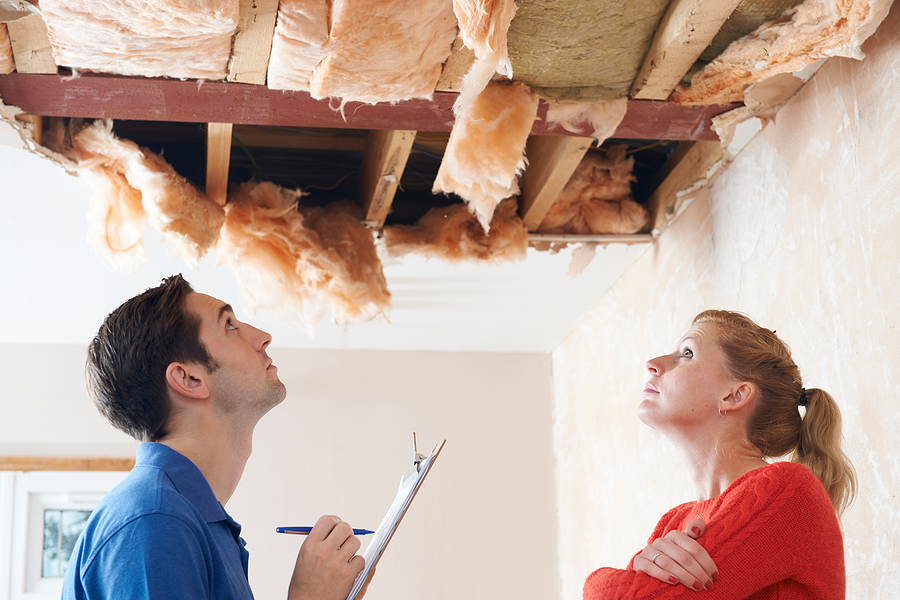
If you manage commercial or multi-unit properties, you already know that roof problems rarely start as major issues. Most roofing failures begin quietly. A small seam separation, a clogged drain, or minor flashing damage can slowly turn into a costly repair if it is not caught early. That is why having a dependable roof inspection checklist is so important for property managers who want to stay ahead of maintenance issues rather than react to emergencies.
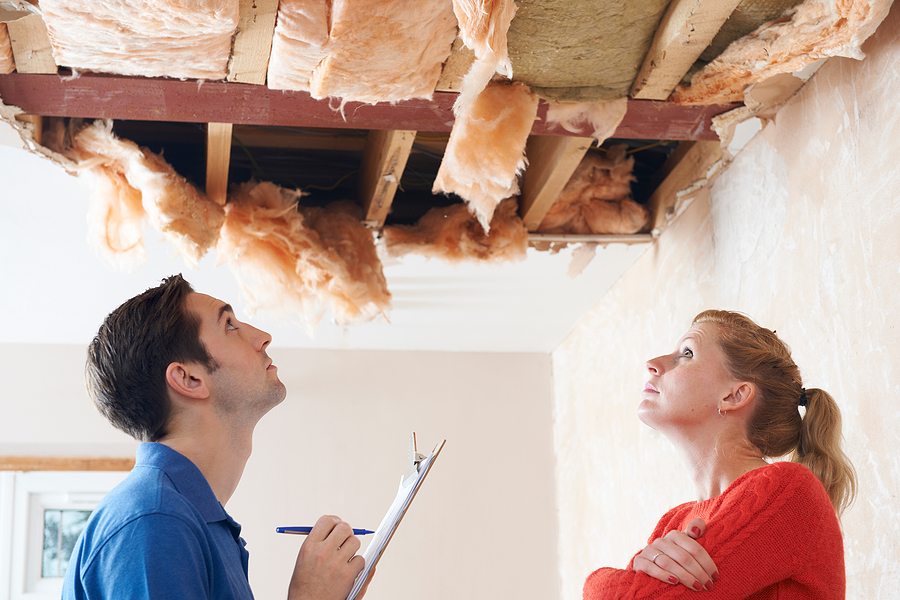
A well-structured commercial roof inspection checklist helps protect your building, your tenants, and your long-term budget. Instead of waiting for leaks to appear inside the property, regular inspections allow you to identify warning signs early and plan maintenance before problems escalate. Over time, this proactive approach can significantly extend your roof’s lifespan and reduce unexpected repair costs.
Why Routine Roof Inspections Are Essential for Property Managers
Commercial roofs are constantly exposed to weather, temperature fluctuations, UV rays, and environmental debris. Even high-quality roofing systems experience gradual wear over time. Without routine inspections, minor vulnerabilities can go unnoticed until they result in interior damage, tenant complaints, or structural issues.
For property managers, regular inspections are not just about maintenance. They are about asset protection. A neglected roof can shorten the lifespan of the entire building envelope, increase liability risks, and disrupt tenants’ business operations. Consistent inspections create a clear maintenance timeline and make it easier to forecast repair costs, rather than dealing with sudden, expensive emergencies.
How Often Roof Inspections Should Be Performed
Most commercial roofing professionals recommend inspecting a roof at least twice a year, typically in the spring and fall. Seasonal inspections allow you to assess how the roof handled extreme weather and prepare it for upcoming conditions. However, inspections should also be conducted after major storms, strong winds, or other severe weather events that could have caused hidden damage.
For flat and low-slope roofing systems, frequent inspections are even more important. These roofs are more sensitive to drainage issues and standing water, which can accelerate wear if left unaddressed.
Examining the Overall Roof Surface Condition
One of the first steps in any roof inspection checklist is to evaluate the roof’s surface condition. Property managers should look for visible signs of wear, such as cracks, blistering, punctures, or deteriorating materials. Even minor surface damage can allow moisture to penetrate the roofing system over time.
It is also important to observe areas where water tends to collect. Standing water, also known as ponding, is a common issue on commercial roofs and can lead to membrane deterioration, leaks, and structural stress if it persists. Identifying these areas early allows for proper drainage corrections before long-term damage occurs.
Checking Flashing and Sealants Around Roof Penetrations
Roof penetrations are some of the most vulnerable areas on any commercial roof. This includes areas around HVAC units, vents, skylights, and exhaust systems. Flashing and sealants around these penetrations should be carefully inspected for cracks, gaps, or signs of deterioration.
Over time, sealants can shrink or break down due to constant exposure to sunlight and temperature fluctuations. When flashing becomes loose or compromised, water can easily enter the roofing system, creating hidden leaks. Paying close attention to these areas during inspections can prevent many common roofing problems from worsening.
Evaluating Drainage Systems and Water Flow
Drainage plays a critical role in commercial roof performance. During inspections, property managers should check that drains, gutters, and downspouts are functioning properly and free of debris. Leaves, dirt, and debris can quickly clog drainage systems, leading to water buildup on the roof surface.
Proper water flow should always direct moisture away from the roof rather than allowing it to accumulate. If drainage appears slow or blocked, it is a sign that maintenance or cleaning is needed immediately to prevent long-term damage.
Inspecting Roof Edges and Perimeter Areas
Roof edges and perimeter sections are often exposed to stronger wind forces and environmental stress. These areas can experience loosening materials, seam separation, or damage from wind uplift. During an inspection, it is important to examine coping, edge metal, and perimeter flashing for any signs of wear or displacement.
Damage at the roof edge can quickly compromise the entire roofing system if left untreated. Catching small issues along the perimeter early can prevent larger structural concerns down the line.
Looking for Interior Warning Signs of Roof Problems
A thorough commercial roof inspection checklist should also include interior observations. Property managers should remain alert to ceiling stains, musty odors, peeling paint, or unexplained moisture inside the building. These signs often indicate hidden roof leaks that may not yet be visible from the exterior.
Interior inspections are especially useful after heavy rainfall or storms, as they can reveal early signs of infiltration before major damage occurs.
Assessing Rooftop Equipment and Traffic Areas
Many commercial properties have HVAC systems, satellite equipment, or maintenance walkways located on the roof. These installations increase foot traffic and can contribute to wear over time. Areas surrounding rooftop equipment should be inspected for membrane damage, punctures, or loose materials caused by service activity.
Technicians servicing rooftop systems may unintentionally cause minor damage during routine maintenance, which is why these areas should always be included in your inspection process.
Post-Storm Inspections and Damage Assessment
After severe weather events, an additional inspection is highly recommended. High winds, hail, and heavy rain can cause subtle damage that is not immediately visible. Debris impact, lifted materials, and drainage blockages are common issues following storms.
Even without visible leaks, storm-related damage can weaken the roofing system and lead to future problems if not addressed promptly.
The Importance of Documentation and Maintenance Tracking
Another key part of an effective roof inspection checklist is maintaining detailed records. Property managers should document inspection dates, observed issues, completed repairs, and maintenance recommendations. This information is valuable for budgeting, insurance purposes, and long-term property planning.
Consistent documentation also helps identify patterns, such as recurring problem areas or drainage concerns, allowing for more strategic maintenance decisions over time.
When to Schedule a Professional Roof Inspection
While routine visual inspections are beneficial, professional inspections should still be scheduled regularly. Experienced roofing contractors can identify structural concerns, hidden moisture issues, and early-stage damage that may not be obvious during a basic walkthrough.
Professional inspections are especially important for older roofs, large commercial buildings, or properties that have experienced recent storm damage. An expert evaluation ensures the roofing system remains safe, compliant, and cost-effective in the long run.
A Smarter, More Proactive Maintenance Strategy
Using a consistent roof inspection checklist helps property managers take a proactive approach to building maintenance. Instead of reacting to leaks and emergency repairs, regular inspections create a predictable maintenance plan that protects both the roof and the overall property investment.
A structured commercial roof inspection checklist not only extends the roof’s lifespan but also improves tenant satisfaction, reduces liability risks, and helps maintain the building’s long-term value.
At LJ Roofing & Siding, we work closely with property managers and commercial building owners to provide thorough roof inspections, maintenance, and repair services you can rely on. Our experienced team knows what to look for and how to address issues before they become costly problems.
If you want peace of mind and a roofing partner who understands the needs of commercial properties, contact LJ Roofing & Siding today to schedule a professional roof inspection and keep your property protected year-round.